IT // Molti hanno abbracciato l'utilizzo dell'intelligenza artificiale senza farsi troppe domande. Chiedere di elaborare un testo o applicare cose studiate da altri è un comando semplice, molto diverso è progettare cose inedite. Per questo motivo i designers all'inizio hanno dimostrato diffidenza verso uno strumento teoricamente poco affine al proprio lavoro.
Dopo un primo approccio disorientante con l'intelligenza artificiale ognuno ha cercato di analizzare la tematica con i colleghi, per poi adattarla alle proprie esigenze progettuali. Ogni designer ha infatti un proprio modo di lavorare e compiti diversi da poter potenzialmente assolvere “con” l'intelligenza artificiale.
In quest'articolo vi racconterò qual è stato il mio inizio con l'intelligenza artificiale e come attualmente la utilizzo senza compromettere l'unicità dei miei progetti.
EN // Many people have embraced the use of artificial intelligence without too many questions. Asking someone to elaborate a text or apply theories studied by others is a simple task, so far different than designing something new. For this reason, at the beginning designers have shown distrust towards a tool theoretically unsuitable for their work.
After a confusing introduction to artificial intelligence, everyone tried to analyze the subject with their colleagues and then adapt it to their own project needs. Each designer has in fact their own unique way of working and different tasks to potentially accomplish “with” artificial intelligence.
In this article I will tell you about my beginning with artificial intelligence and how I currently use it without compromising the uniqueness of my projects.
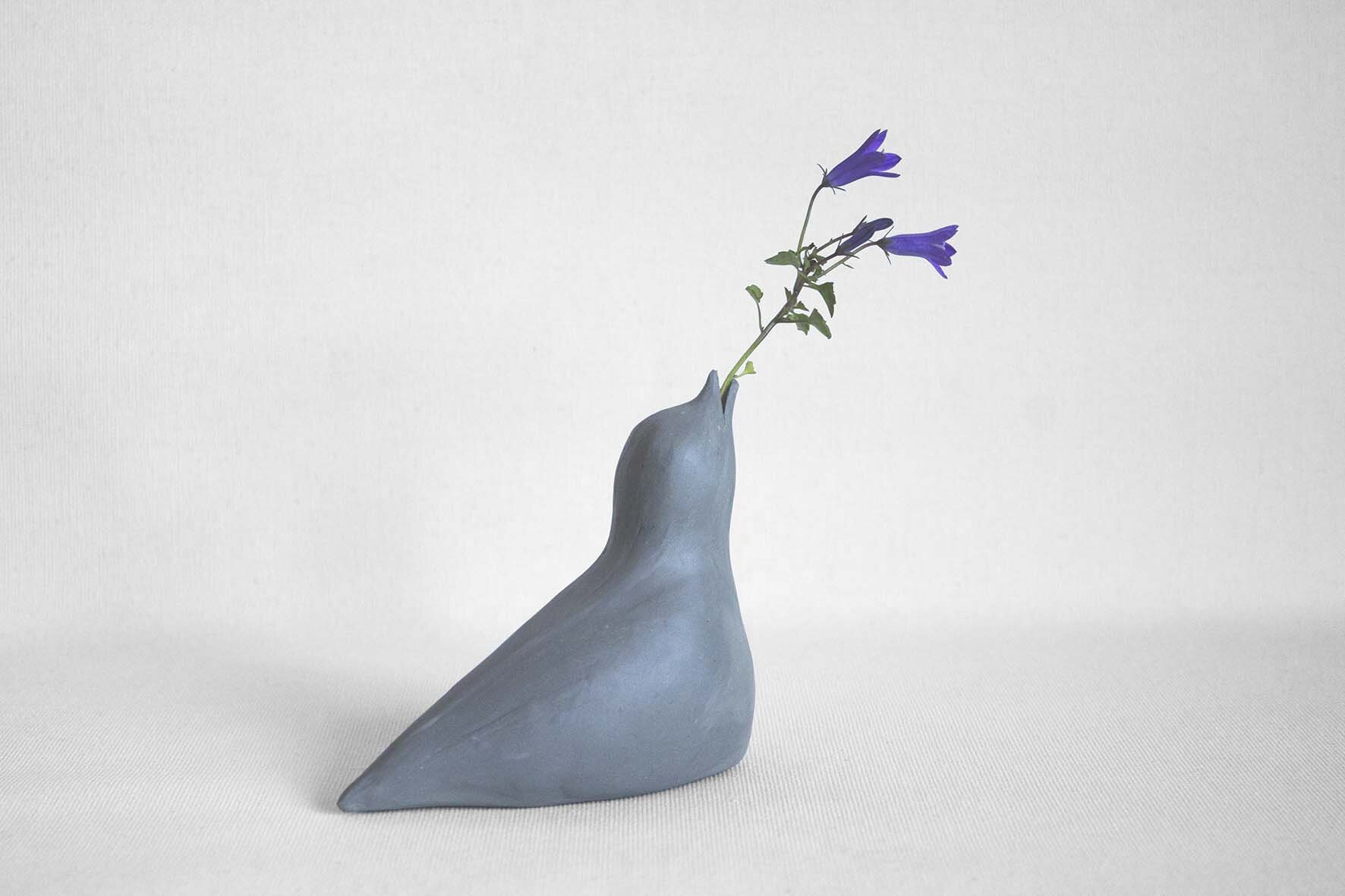
Floriana Pastore, “Toritachi” vase, 2024.
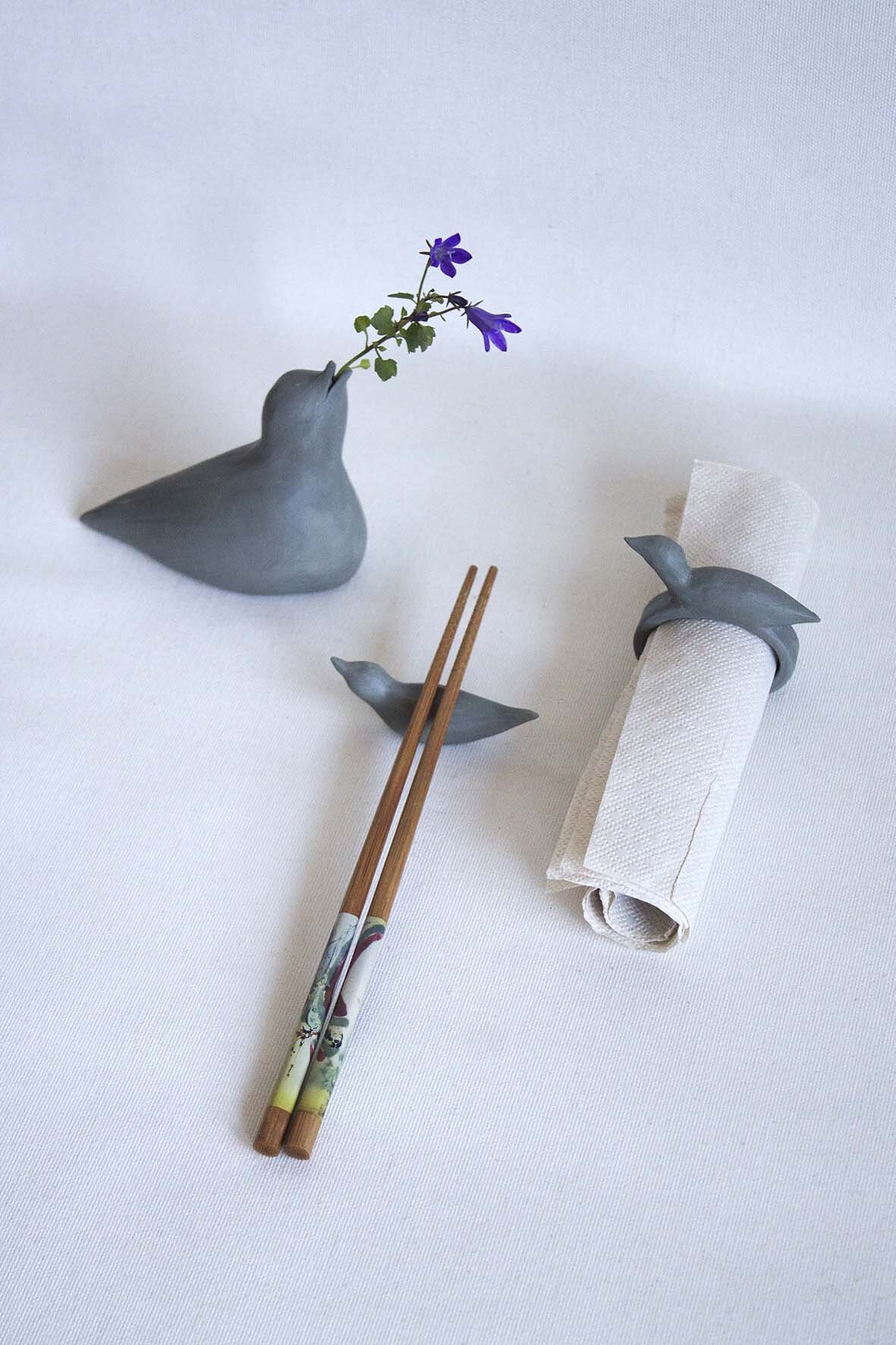
Modello grigio in plastilina / Grey plasticine mock up.
IT // Nel 2024 un produttore giapponese di ceramiche mi aveva chiesto il concept di un set da tavola per un ristorante in Giappone, da consegnare in tempi ristrettissimi. Premettendo che tempo e buon progetto sono inversamente proporzionali, con l'esperienza ho individuato come utile scorciatoia partire dai modelli.
I miei modelli di studio possono essere in cartoncino, plastilina, legno, tessuto, dipende dalla tipologia di oggetto (sto pensando di scrivere un articolo su questo tema). Per “Toritachi” ho scelto la plastilina perchè si adatta meglio a forme organiche di piccole dimensioni. Certamente ci sono i limiti cromatici del materiale ed è su questo punto che due anni dopo ho pensato di farmi aiutare dall'AI.
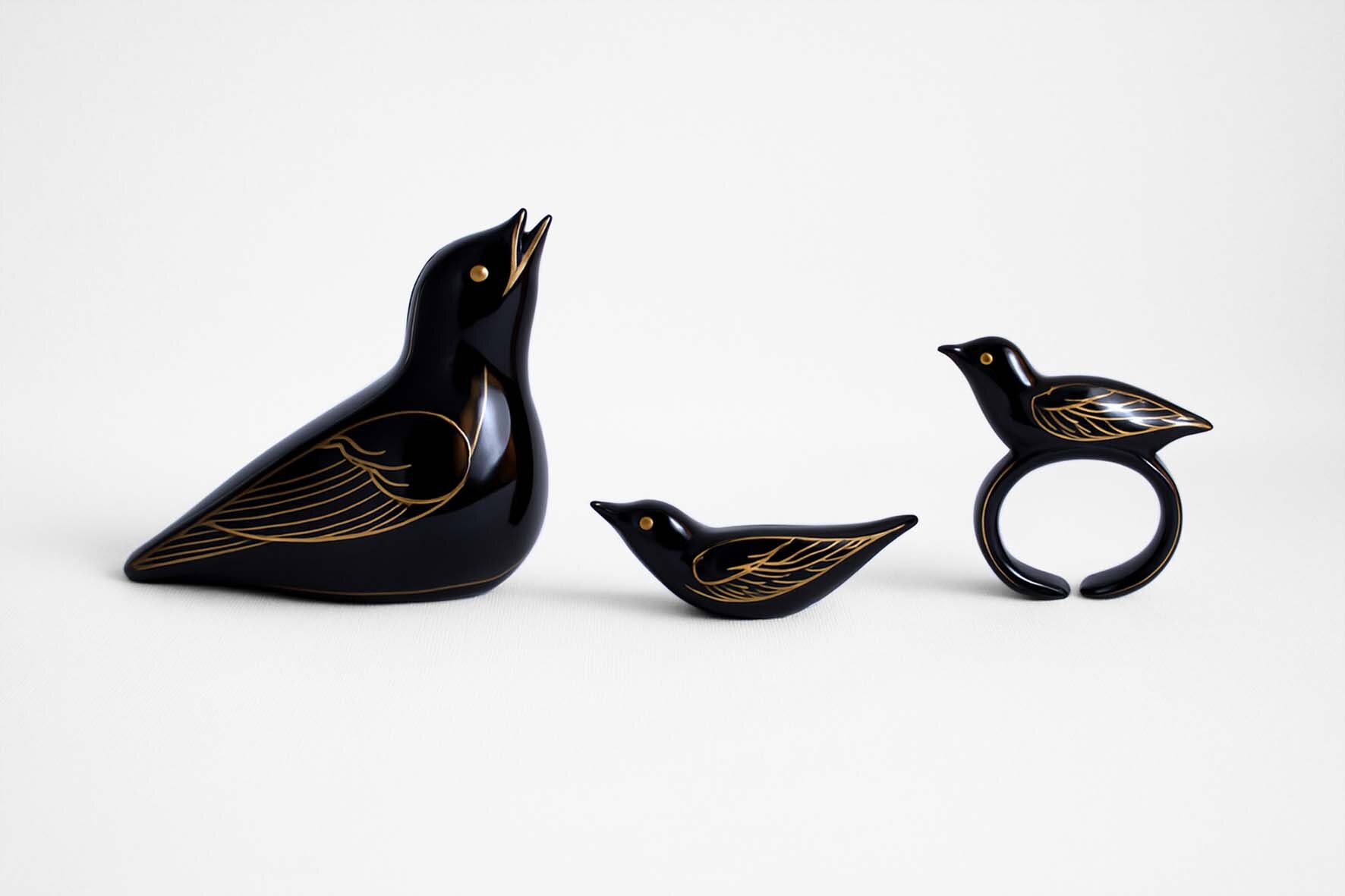
Il set doveva essere realizzato in ceramica e poi finito con lacca urushi, così ho dato all'AI il comando “renderizza gli oggetti in foto con lacca urushi”. All'inizio aveva generato una versione solo nera degli oggetti e in un secondo momento gli ho chiesto di “aggiungere dei dettagli dorati”. Devo dire che il risultato ha superato le mie aspettative, nonostante il sistema non abbia rispettato fedelmente le forme dei miei modelli. In questo caso le ho ritenute delle modifiche accettabili.
EN // In 2024, a Japanese ceramic manufacturer asked me for a tableware for a restaurant in Japan, to be delivered in a very short time. Given that time and good design are inversely proportional, with experience, I have found that starting from mock-ups is a useful shortcut.
I do study models with cardboard, plasticine, wood, or fabric, depending on the type of object (I'm thinking of writing an article on this topic). For "Toritachi" I chose plasticine because it's suitable to small, organic shapes. Of course there are the chromatic limits of the material and it is on this point that two years later I thought of asking for help to the AI.
The tableware was supposed to be made of ceramic and then finished with urushi lacquer, so I gave the AI the command "render objects in photos with urushi lacquer." At first it generated a black-only version of the objects and later I asked to “add some gold details”. I admit that the result exceeded my expectations, although the system didn't faithfully replicate the shapes of my models. In this case I considered acceptable the modifications.
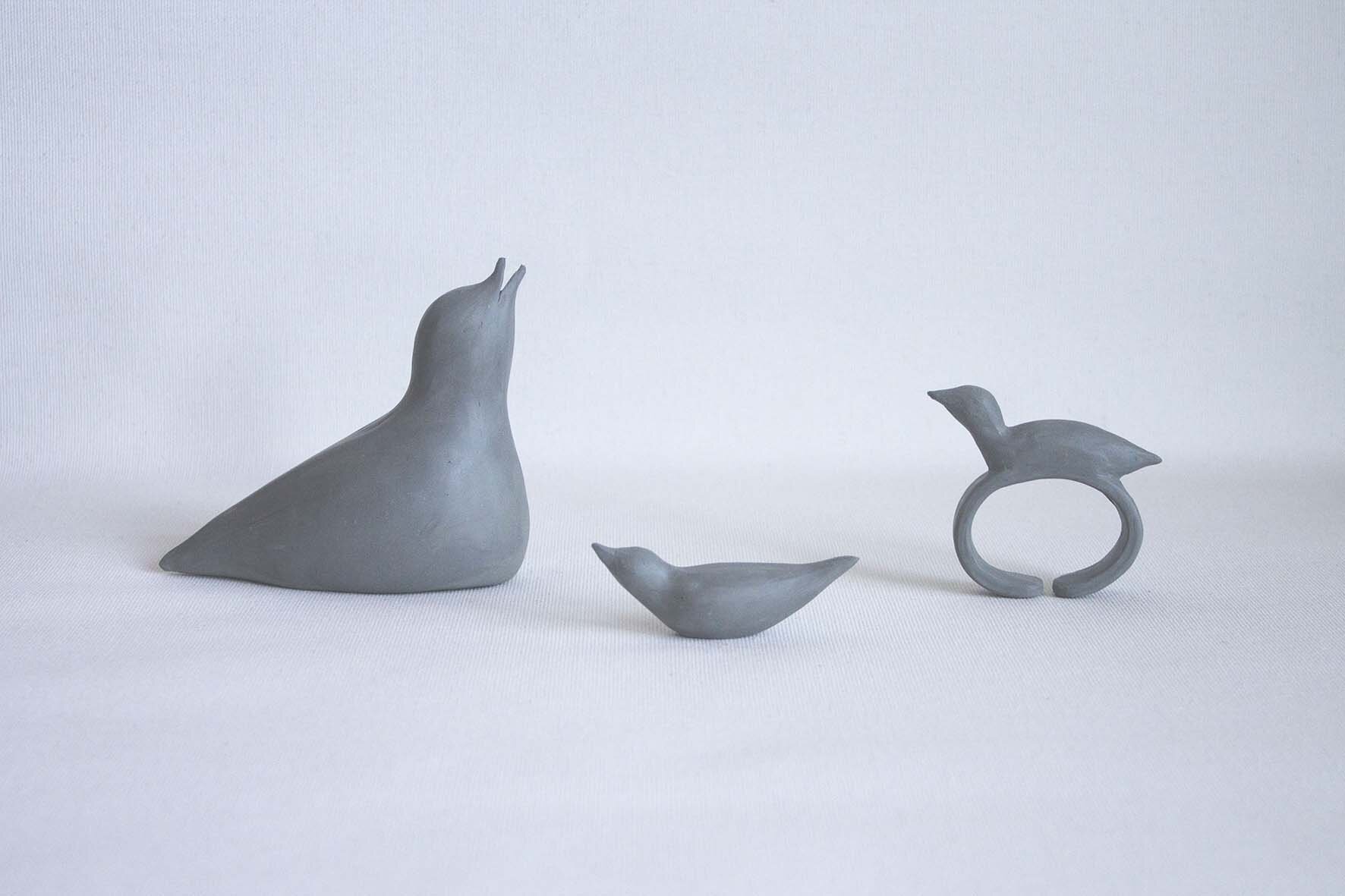
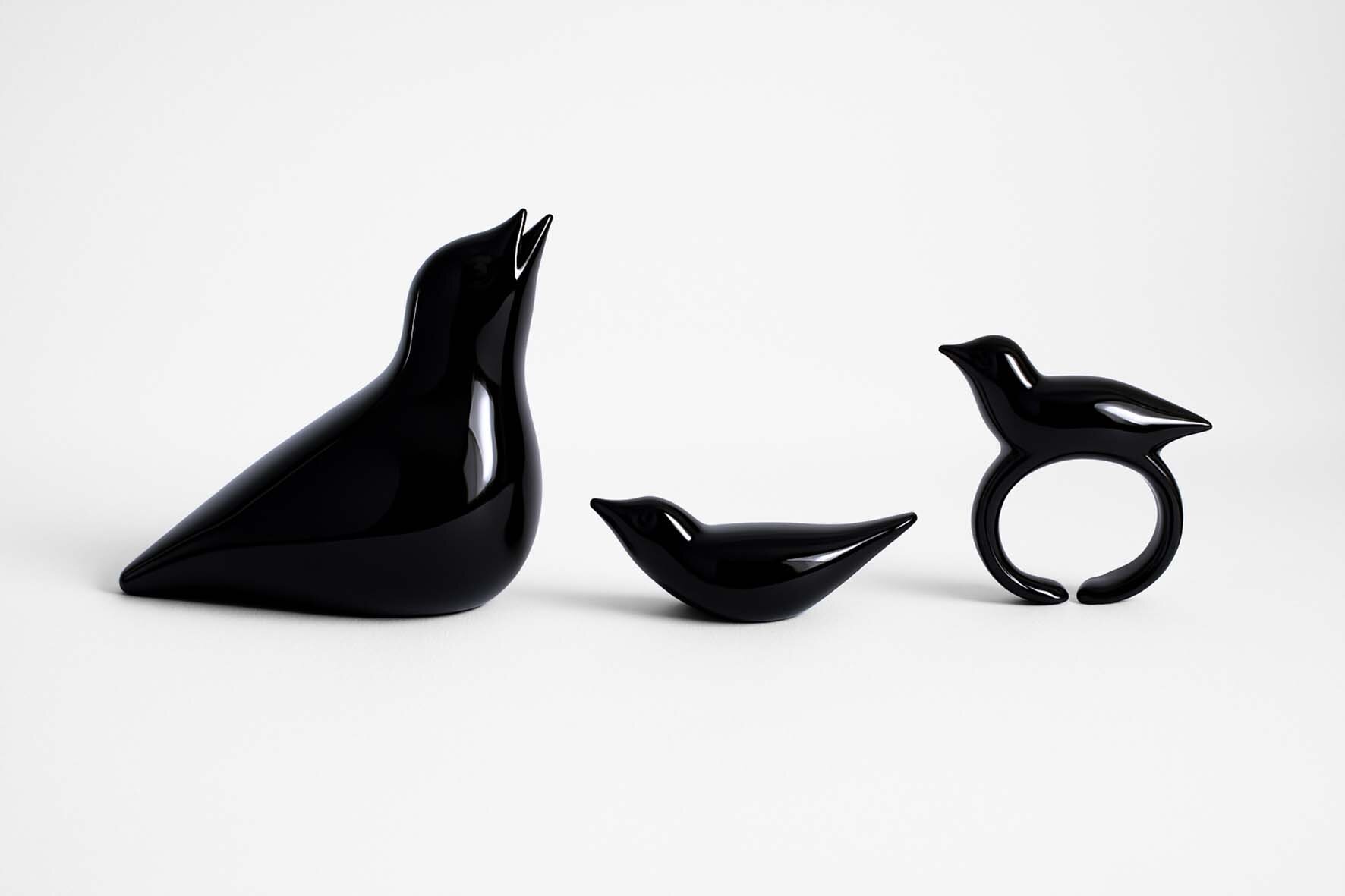
Floriana Pastore, “Toritachi”, 2024.
Modelli grigi in plastilina, laccato nero render prodotto con l'AI in 2026. / Grey plasticine mock ups, black lacquered render made with AI in 2026.
IT // Ci sono molti motivi per cui l'intelligenza artificiale può affiancare e non sostituire il designer. Il primo, e per me, più importante è che l'AI non ha conoscenze di disegno tecnico, dimensioni e proporzioni. E' necessario quindi che un progettista competente vigili sulle fasi svolte con l'aiuto dell'AI.
Il secondo motivo, non meno importante del primo, è che la cultura del progettista sarà sempre la discriminante nei progetti: per quanto l'AI generi risposte in base ai nostri gusti non avrà mai tutta la nostra cultura e il nostro vissuto, che si trasferisce inevitabilmente nei progetti. Potremmo utilizzare l'AI per azioni meccaniche e accessorie ma per le parti creative e strutturali del progetto il designer manterrà il suo ruolo.
EN // There are many reasons why artificial intelligence can complement, rather than replace, the designer. The first, and for me, most important, is that AI lacks knowledge of technical drawing, dimensions, and proportions. Therefore, a competent designer must oversee the phases carried out with the help of AI.
The second reason, no less important than the first, is that the designer's culture will always be the key factor in design: as much as AI generates responses based on our tastes, it will never capture our entire culture and experience, which inevitably we translates into projects. We could use AI for mechanical and accessory actions, but for the creative and structural aspects of the project, designers will retain their role.
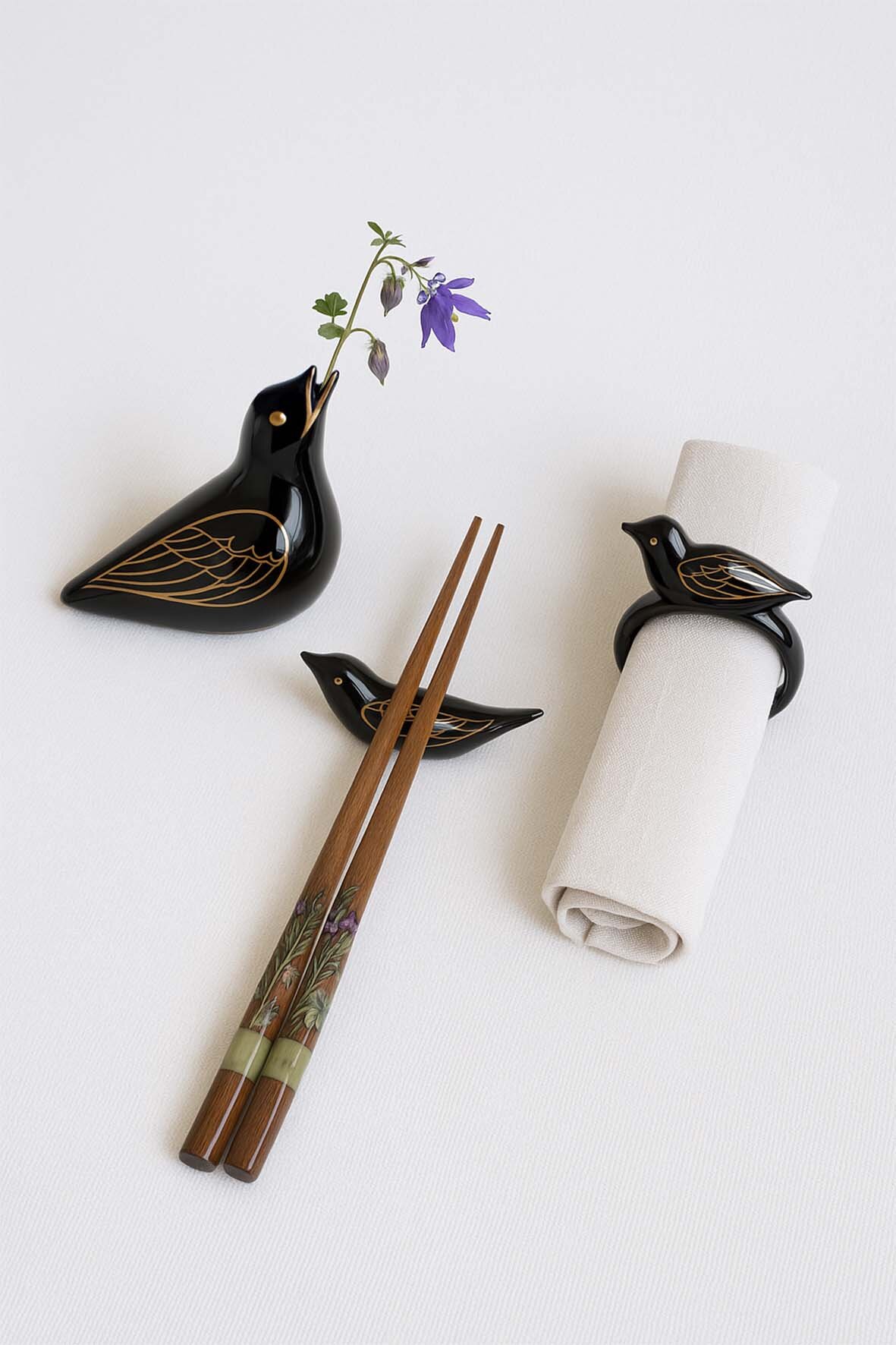
Floriana Pastore, “Toritachi”, 2024.
Modelli grigi in plastilina, laccato nero render prodotto con l'AI nel 2026 / Grey plasticine mock ups, black lacquered render made with AI in 2026.
IT // Il test con “Toritachi” mi ha fatto guadagnare un po' di fiducia nell'intelligenza artificiale e il suo intervento sul mio modello in plastilina mi è stato utile al pari di un software di renderizzazione su un modello 3d.
Per passare a livello pro ho testato l'AI su una modifica specifica: sostituire sul modello del bagno componibile “All inclusive” uno specchio tondo con quello squadrato. Di fare l'ha fatto ma il layout ha avuto bisogno di diversi interventi con Photoshop. Qui sotto vedete il risultato finale.
EN // After the test with “Toritachi” I got confidence in AI, and its intervention on my clay model was as useful as rendering software on a 3D model.
To upgrade to a pro level, I tested AI on a specific task: replace with a round mirror the squared one of “All inclusive” modular bathroom. It did the task, but the layout required several Photoshop adjustments. Below you can see the final result.
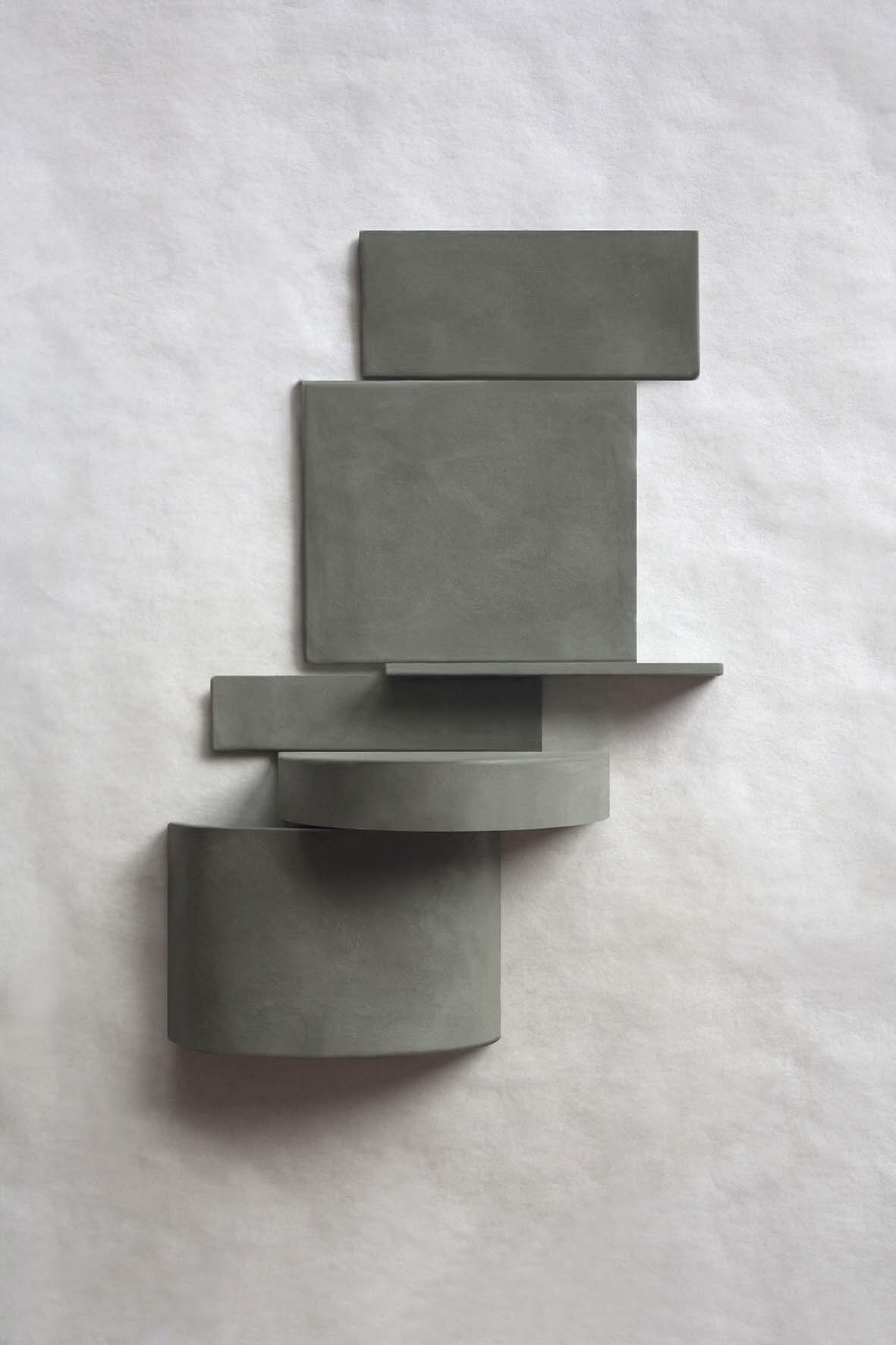
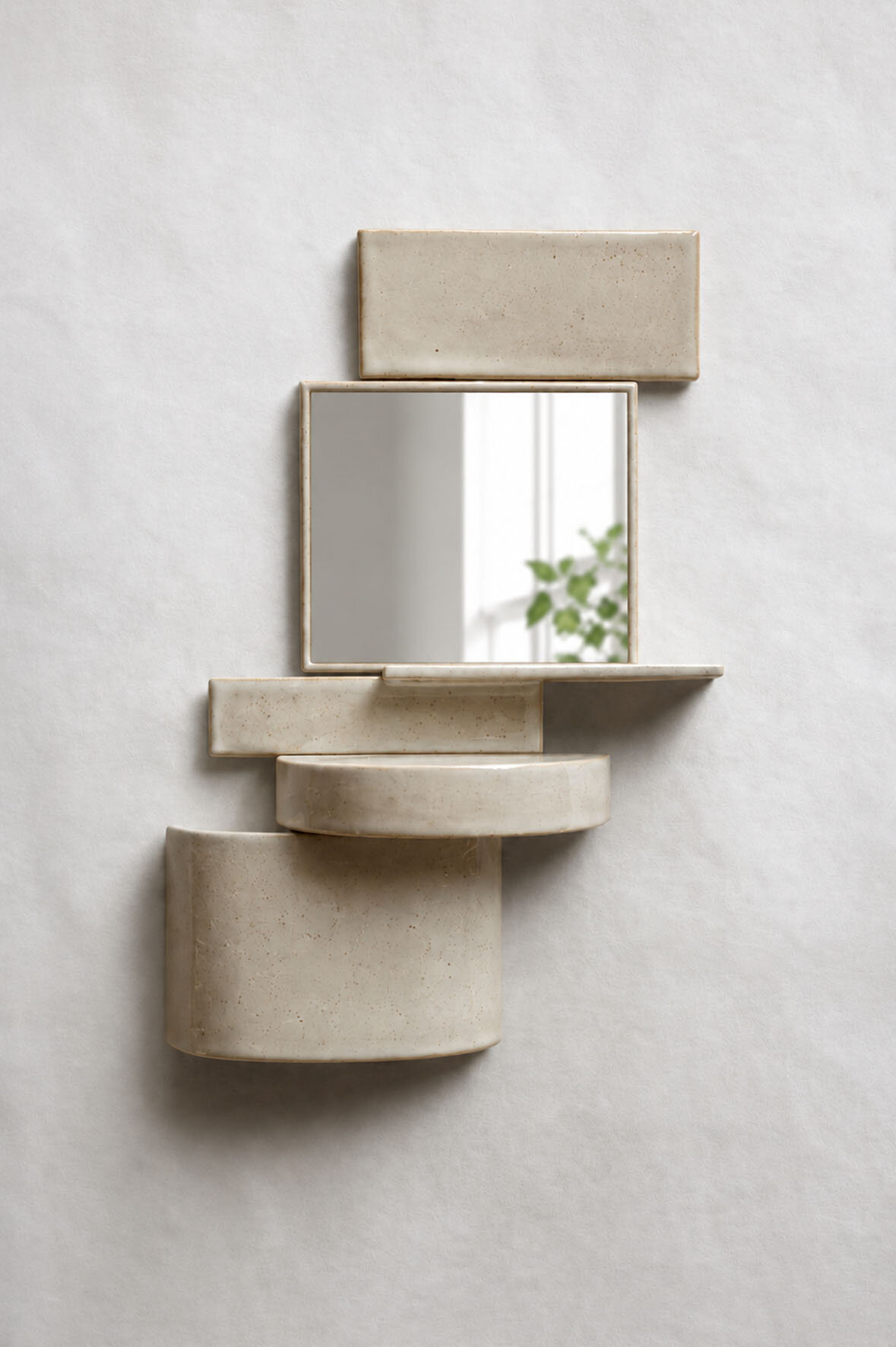
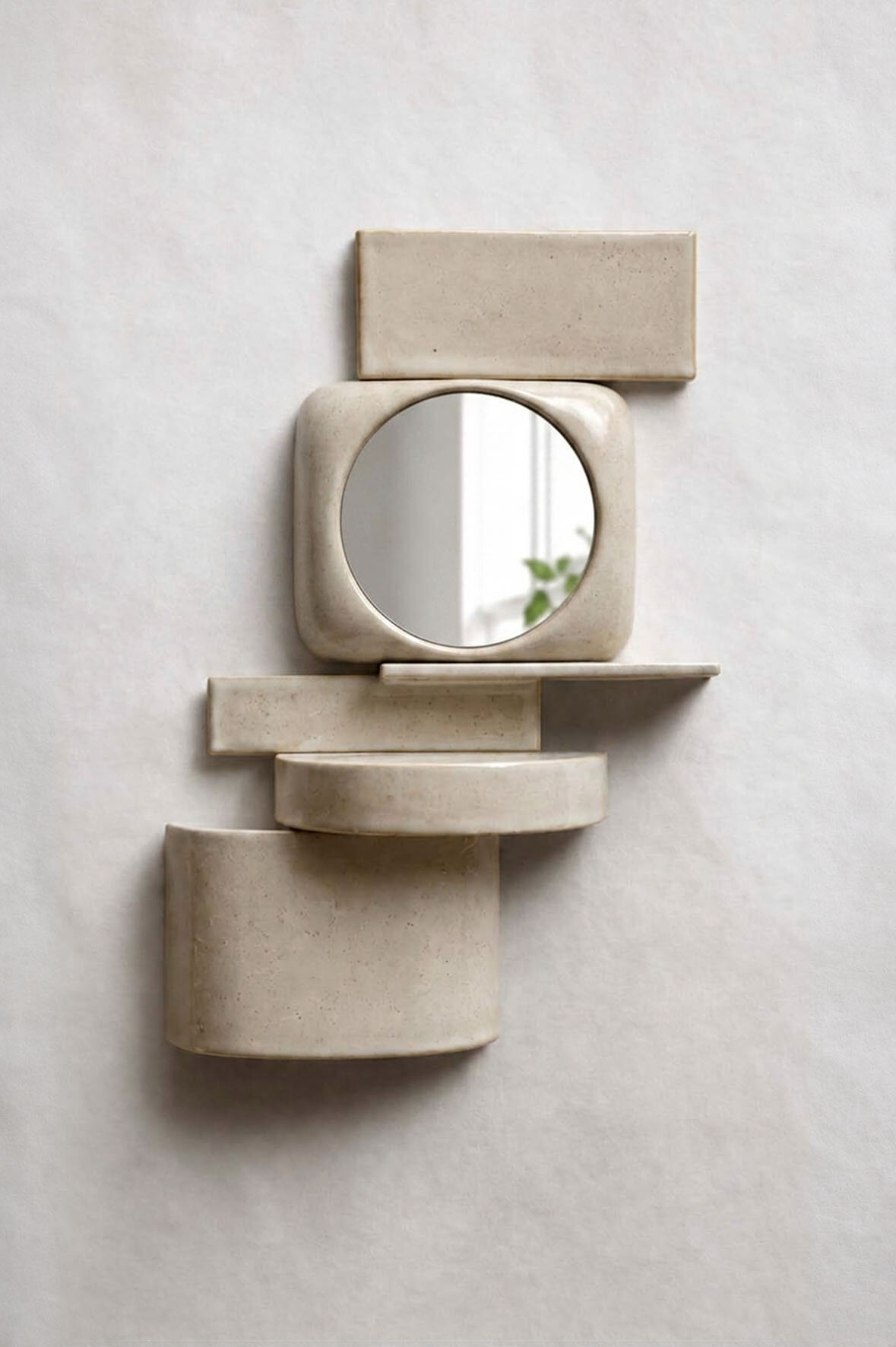
Floriana Pastore e Francesca Macchia Caputo, “All inclusive”, 2025.
Modelli in plastilina, render in AI. / Clay mock ups, AI render.
IT // Per lo sviluppo in render del bagno componibile “All inclusive” sono state necessarie delle azioni preparatorie per poter fornire all'intelligenza artificiale un file “grezzo” da perfezionare. Ne è un esempio l'aggiunta del rubinetto, del bidet, delle mensole e del box doccia.
Per quanto riguarda le ambientazioni con “All inclusive” ho lasciato generare delle proposte all'AI perchè lo stile non influiva sulla creatività del concept. Le immagini risultanti spesso però hanno avuto bisogno di un nuovo intervento umano con Photoshop, sempre per questioni tecniche, come un riflesso sbagliato sullo specchio o foglie a terra diverse da quelle della pianta presente nel render.
EN // For the development with renders of “All inclusive” modular bathroom, preparatory works were necessary to provide the artificial intelligence with a "raw" file to refine. Examples include adding the faucet, bidet, shelves, and shower stall.
For the “All inclusive” settings, I let AI generate proposals because the style didn't impact the creativity of the concept. However, the resulting images often required further human intervention in Photoshop, again for technical reasons, such as an incorrect reflection in the mirror or leaves on the ground that weren't the same as those of the plant in the render.
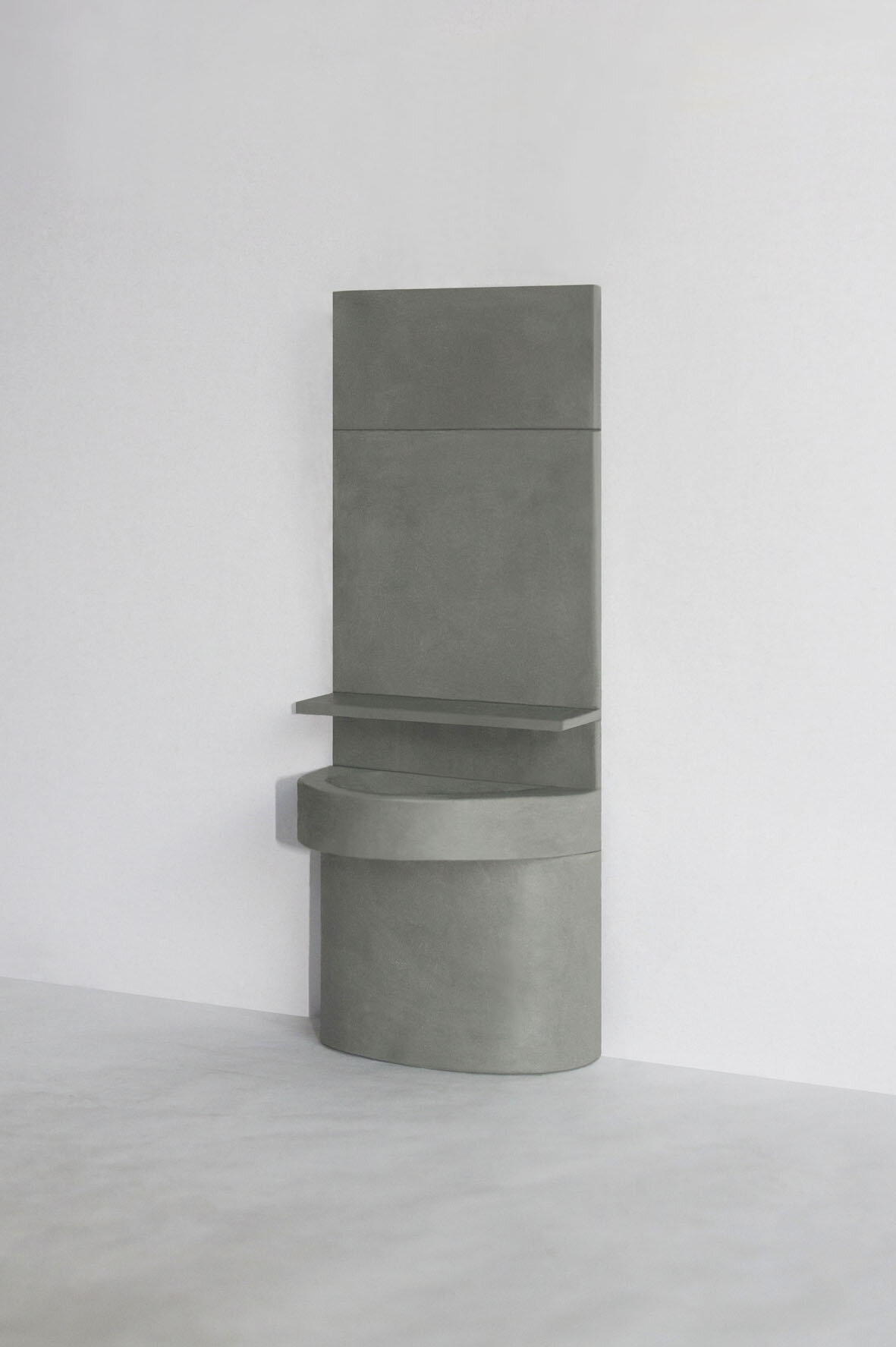
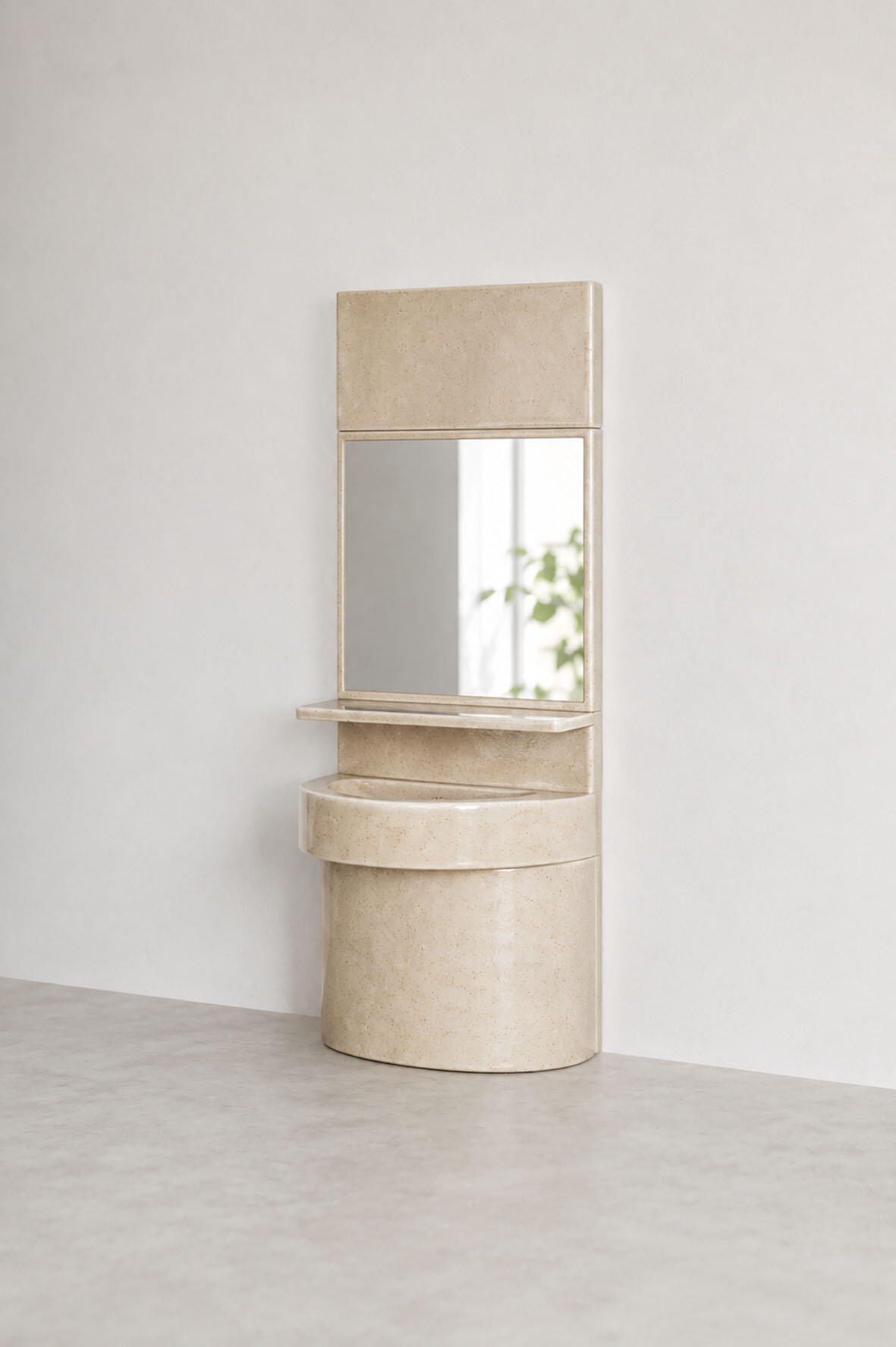
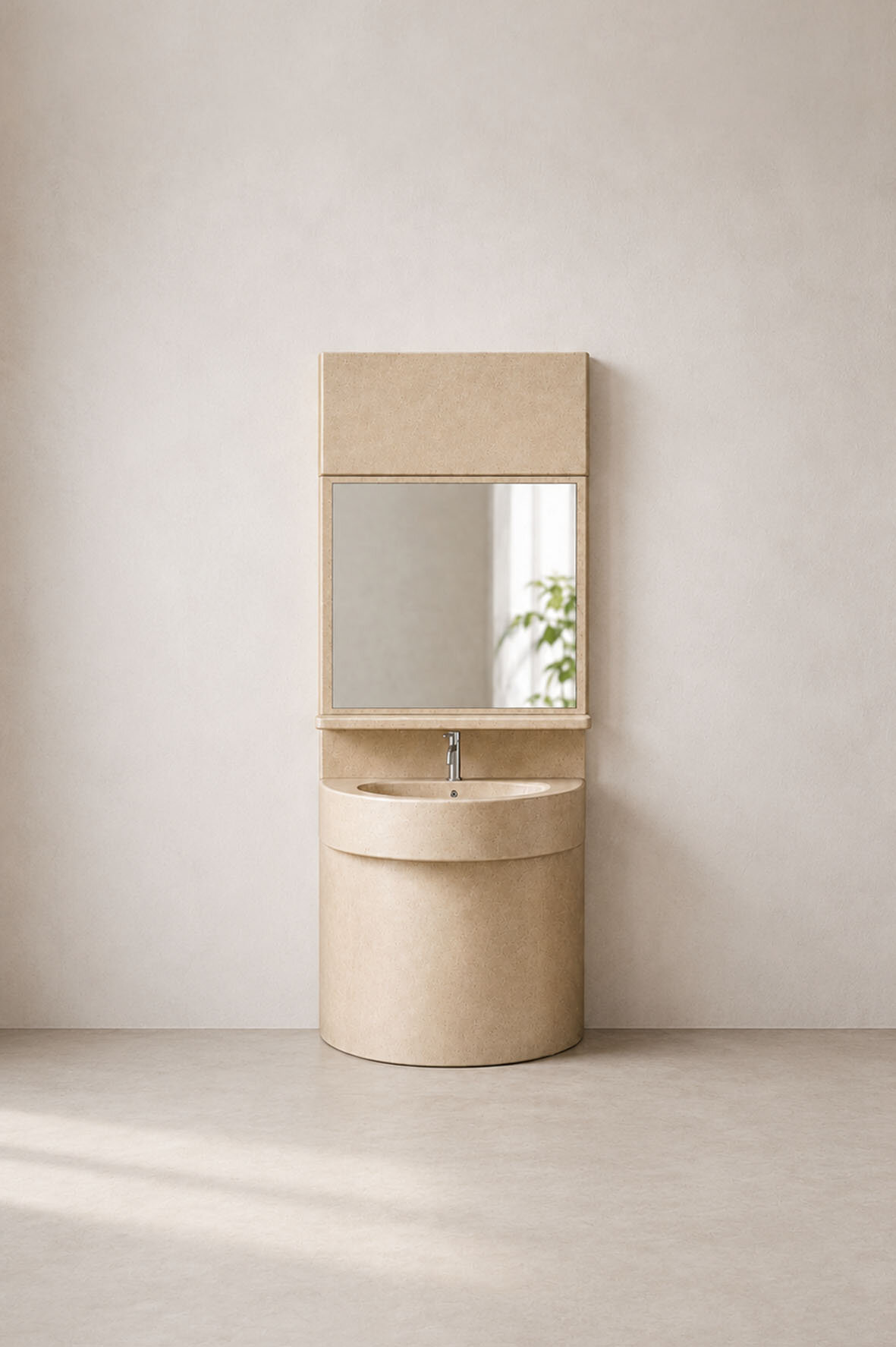
Floriana Pastore e Francesca Macchia Caputo, “All inclusive”, 2025.
Modelli in plastilina, render in AI. / Clay mock ups, AI render.
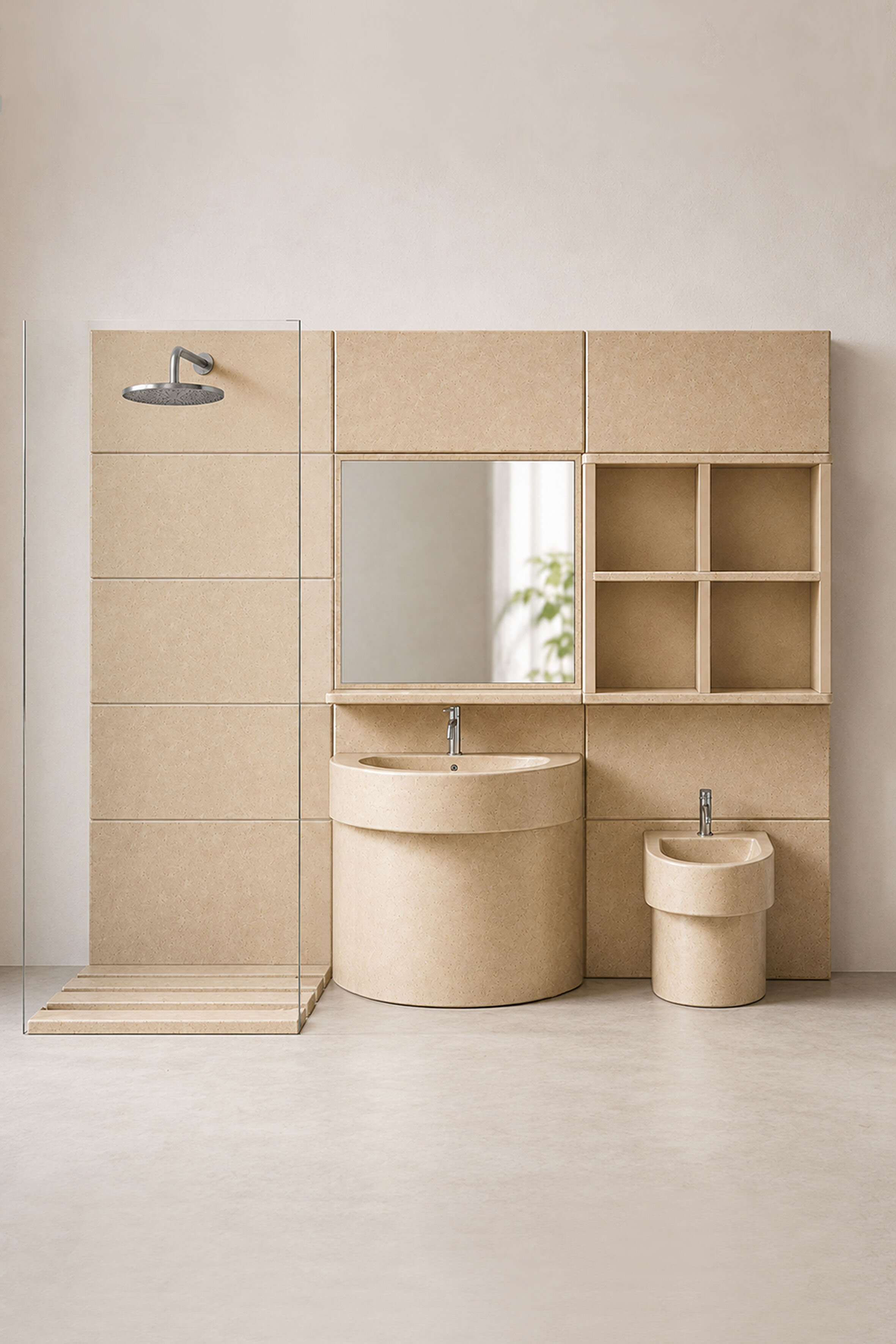
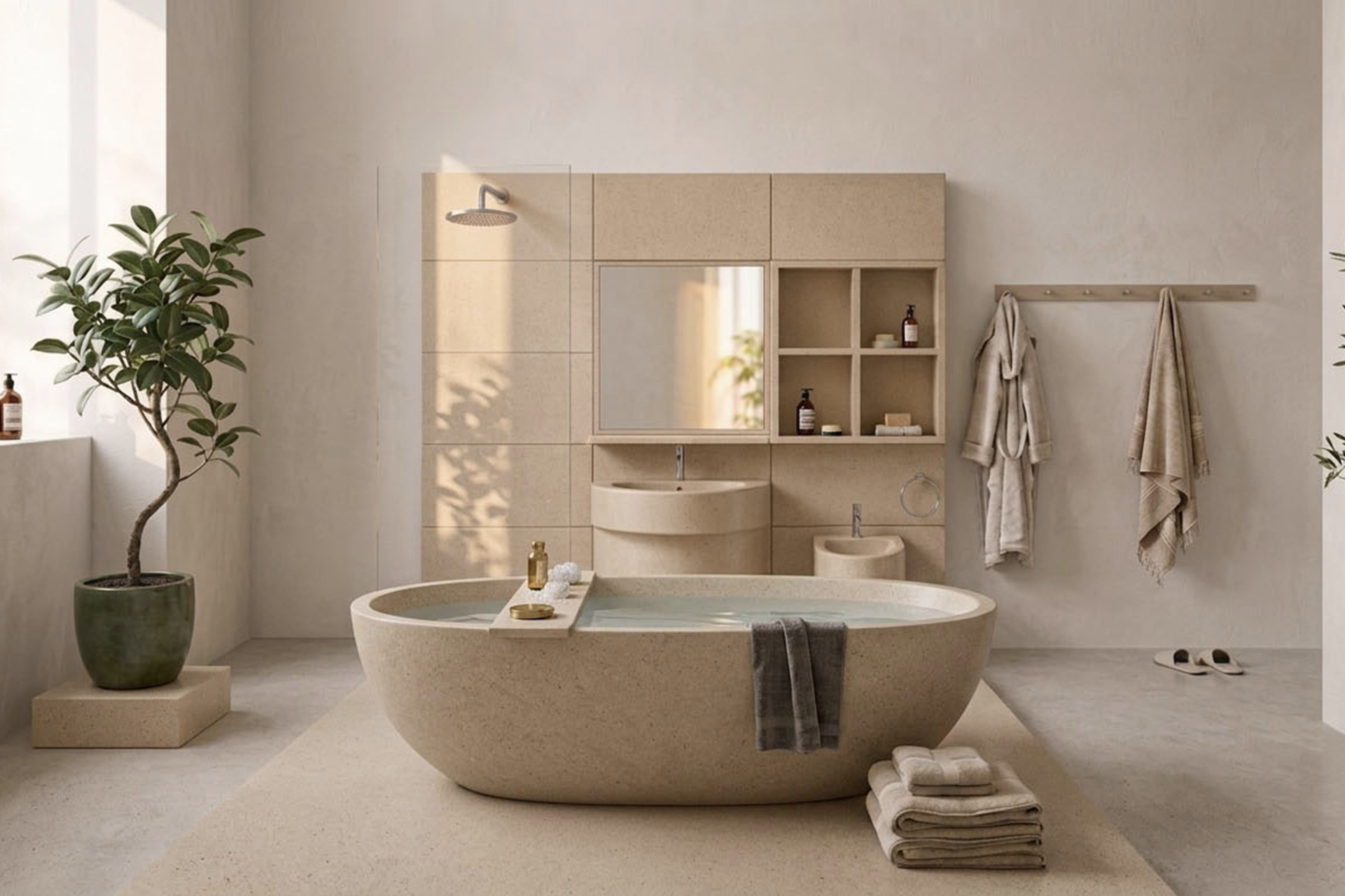
Floriana Pastore e Francesca Macchia Caputo, “All inclusive”, 2025, AI render.
IT // Ora che ho capito quali sono le potenzialità dell'AI relativamente al mio contesto progettuale posso sbizzarrirmi a sistemare altri render e foto del portfolio. Ovviamente ogni immagine avrà delle caratteristiche diverse e serve riflettere sui comandi necessari per avere risultati ottimali.
Per “Clessidra” mi serviva ad esempio migliorare il top del tavolino in pietra quindi ho fornito all'applicazione la texture di riferimento. Successivamente ho gli ho dato il comando di rendere più reale il mio render del 2022 e ci sono voluti vari tentativi prima di capire che dovevo scrivere “senza modificare gli oggetti nell'immagine iniziale”. Dietro il posizionamento degli arredi outdoor c'é un progetto ma questo l'AI non lo sa perchè non sa niente di progettazione!
EN // Now that I understand the potential of AI in my project context, I can have fun adjusting other renders and portfolio photos. Obviously, each image will have different characteristics, and you need to think what commands give the optimal results.
For “Clessidra”, for example, I needed to improve the stone of the table top, so I provided the application with the reference texture. I then gave it the command to make my 2022 render more realistic, and it took several attempts before I figured out that I should write "without modifying the objects in the initial image." Behind the outdoor setting there is a design, but AI doesn't know because doesn't know design!
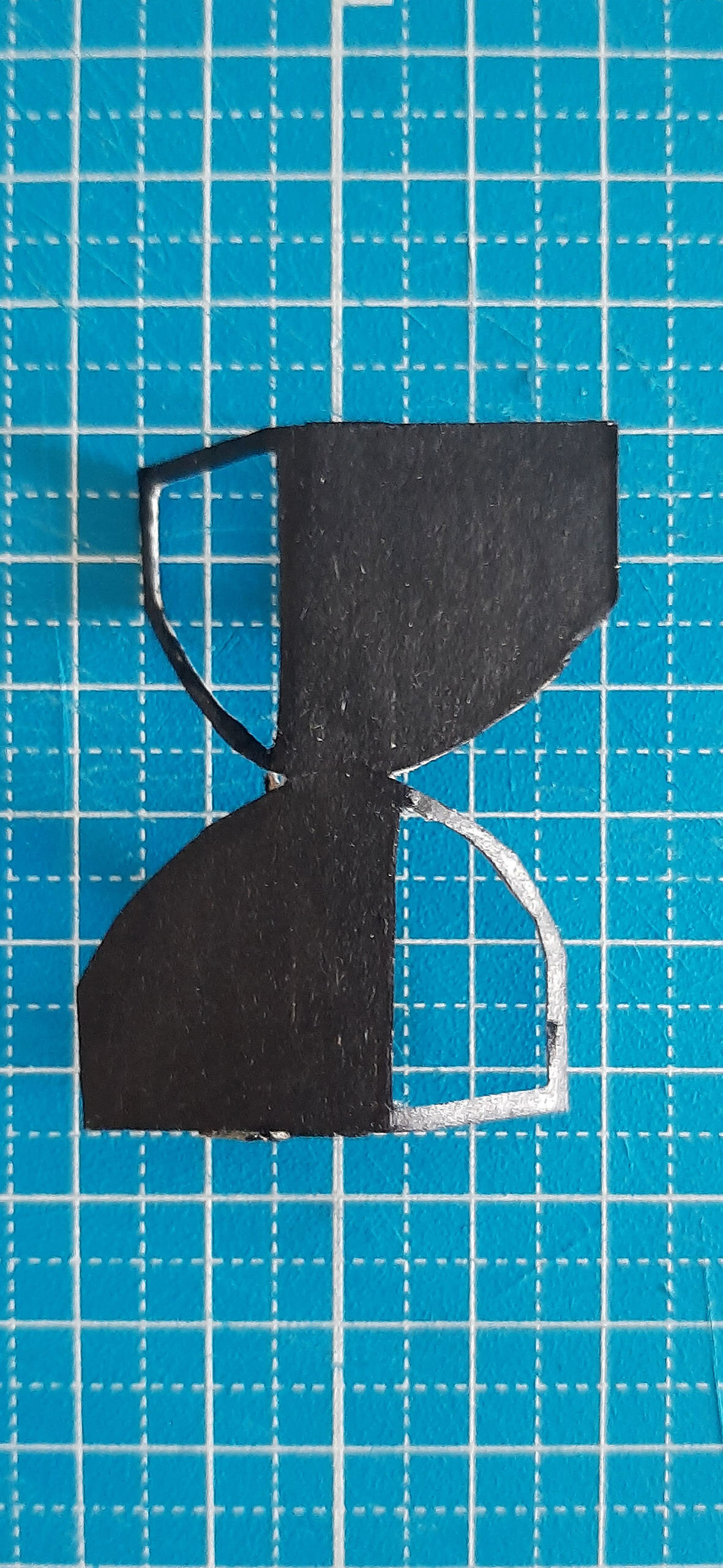
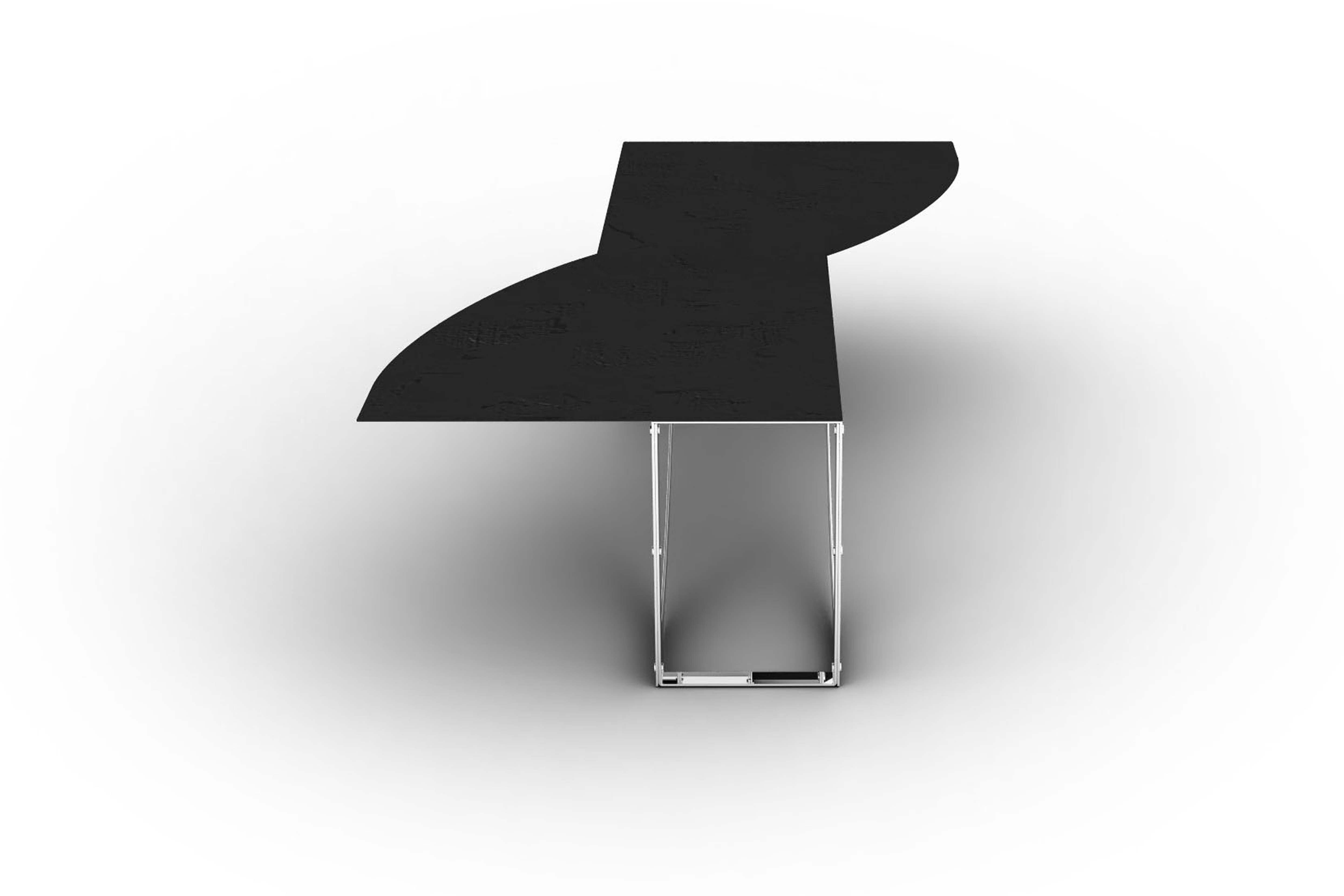
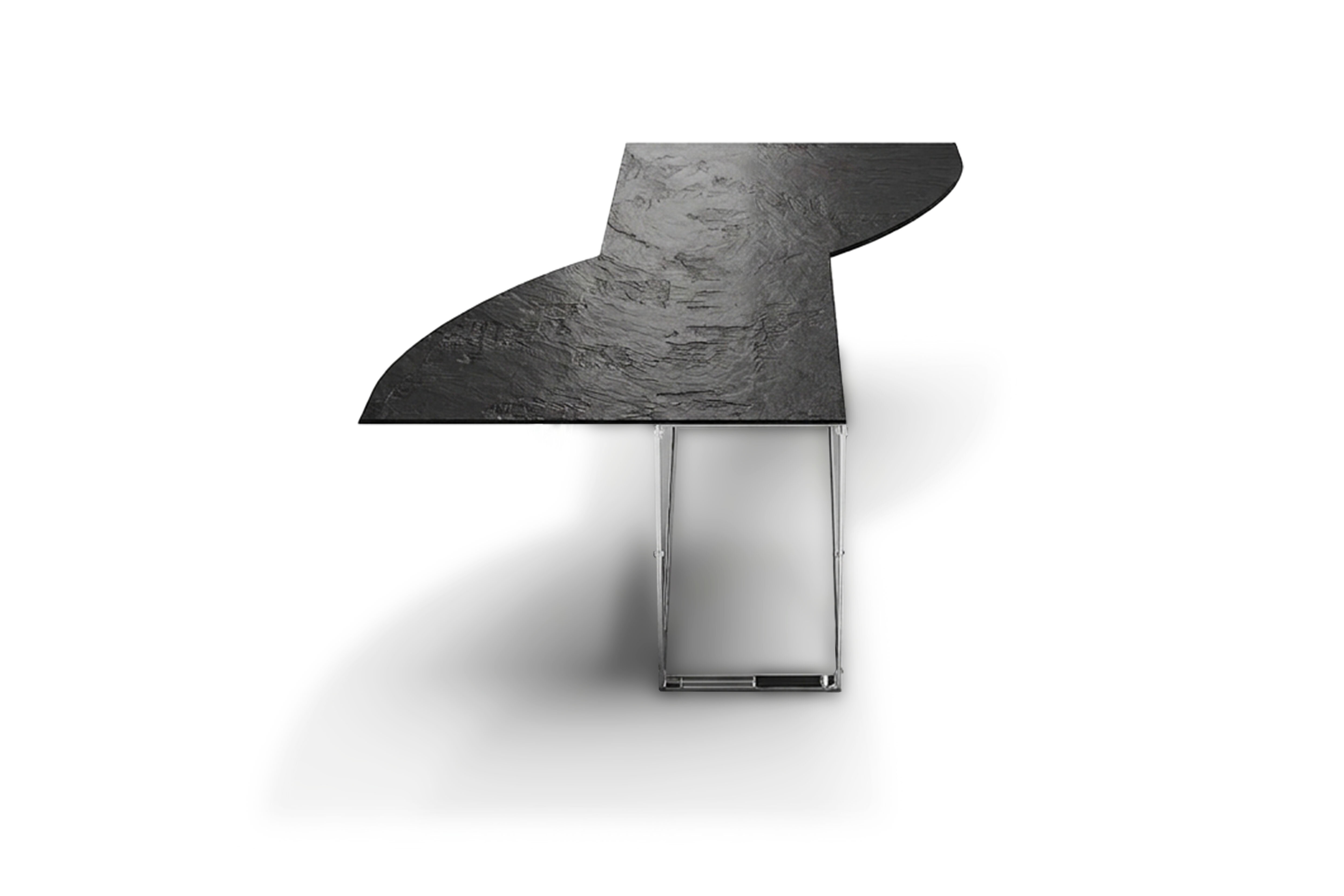
Floriana Pastore, “Clessidra”, 2022.
(da sinistra) modello di studio in cartoncino; render; render prodotto con l'AI nel 2026.
(from the left) study mock up; render; render made with AI in 2026.
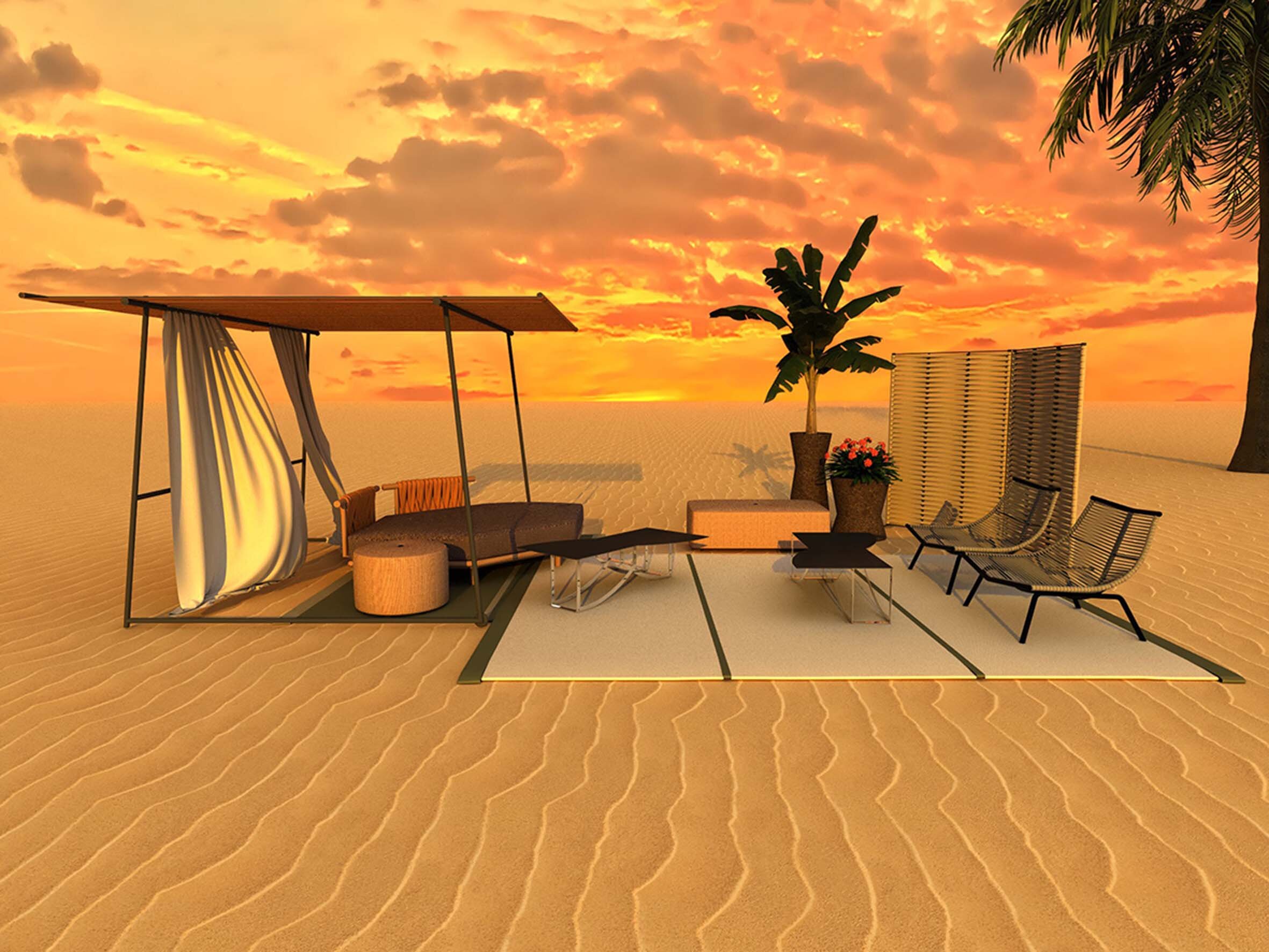
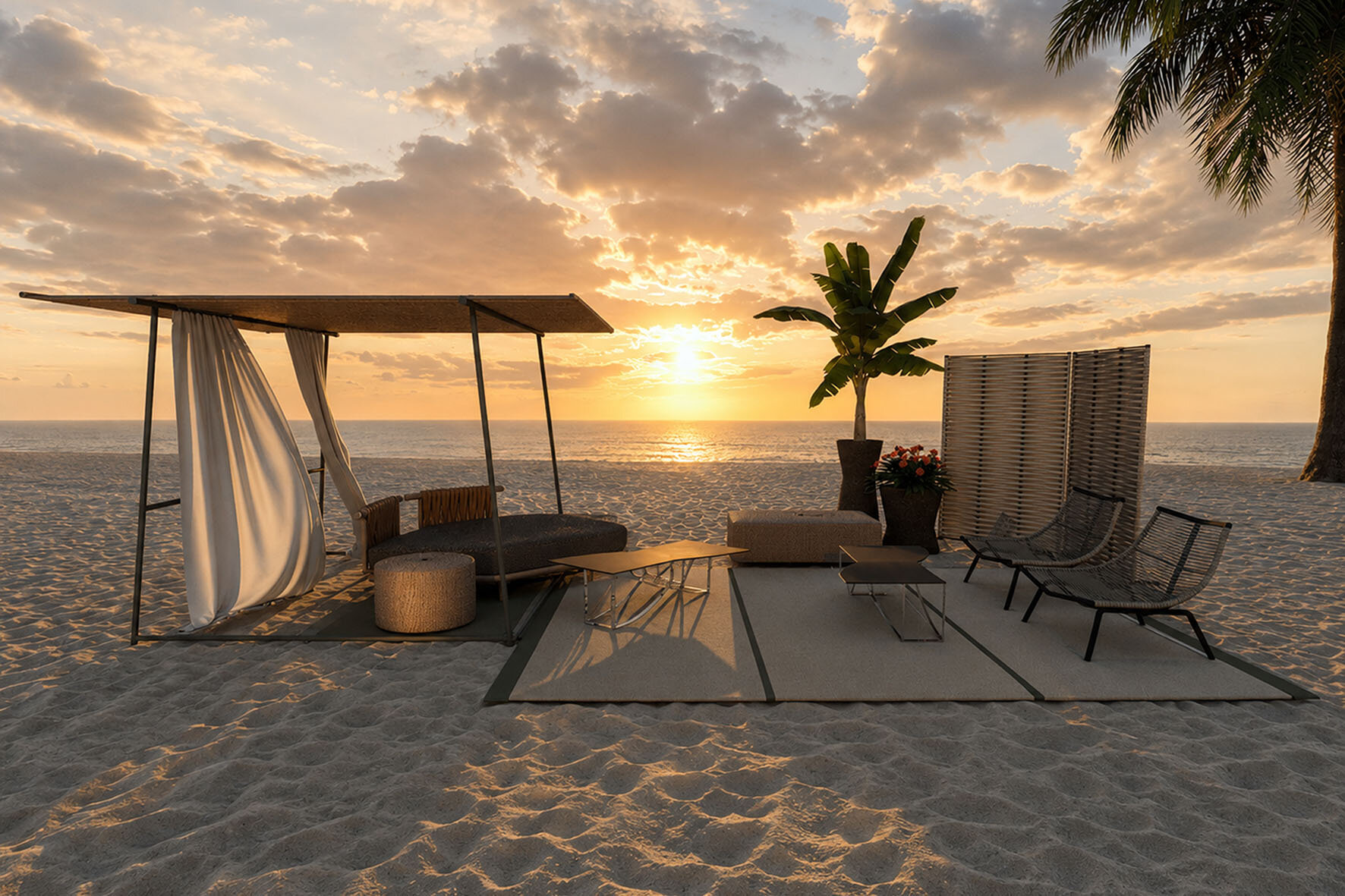
Floriana Pastore, “Clessidra”, 2022.
Render; render prodotto con l'AI nel 2026. / Render; render made with AI in 2026.